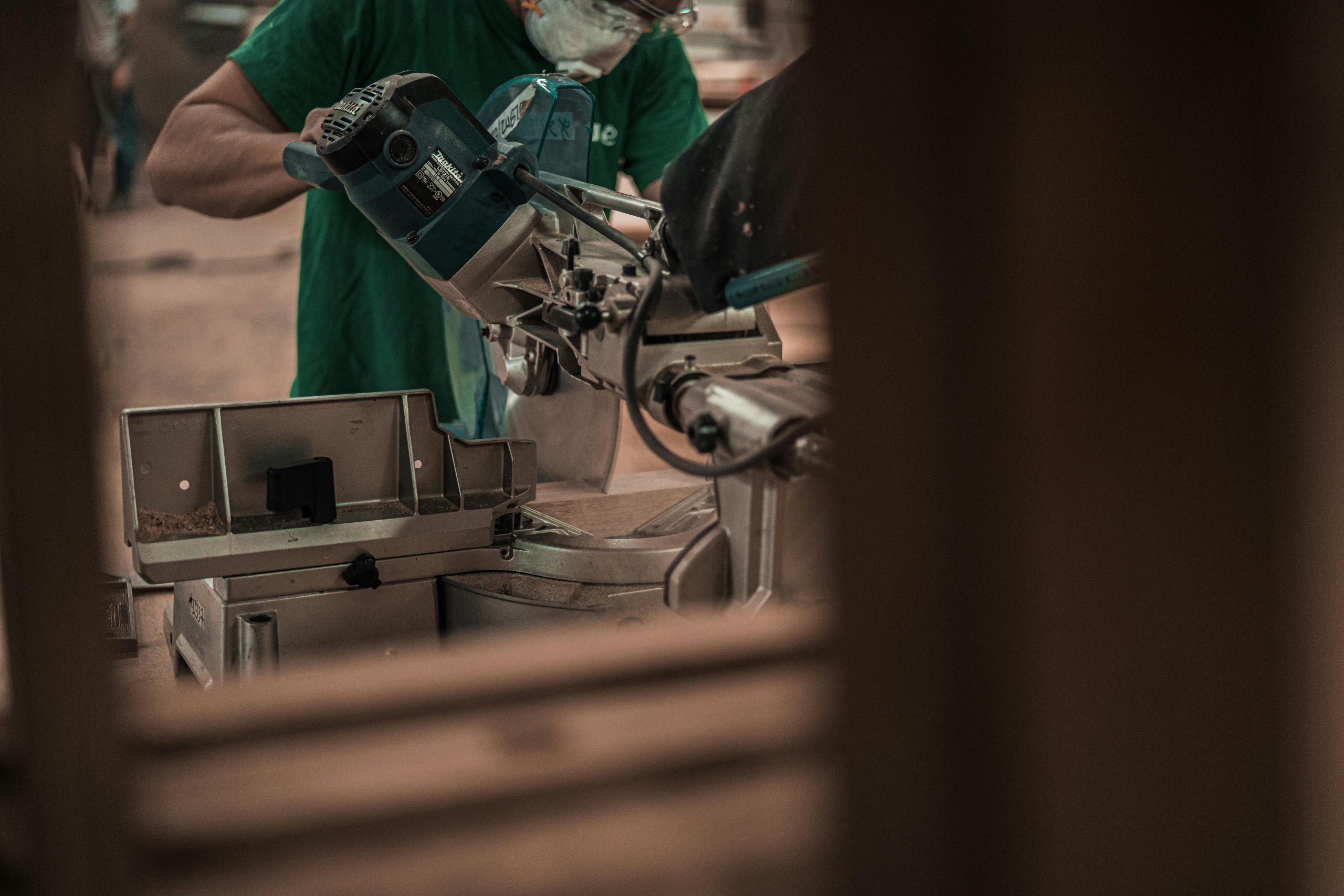
Why Hand Tool Safety Deserves Real Attention
Power tools get most of the safety headlines, but hand tools quietly cause a large share of workshop injuries. Slipping screwdrivers, dull chisels, cracked hammer handles, and poorly supported workpieces can all turn a simple task into a trip to urgent care. The good news is that most of these incidents are preventable with a thoughtful setup and a few consistent habits.
This article focuses specifically on safety with hand tools—not which tools to buy, not how to sharpen or maintain them, but how to use and manage them in ways that protect your hands, eyes, and joints over the long term.
Building a Safer Workspace Before You Pick Up a Tool
Hand tool safety starts before the first swing of a hammer. The layout and condition of your workspace directly affect how safely you can use even the simplest tools.
First, ensure clear footing. Stray offcuts, loose hardware, and spilled liquids create tripping or slipping hazards, especially when you’re carrying heavy tools. Get in the habit of quickly sweeping or vacuuming chips and debris at the start of each session, not just the end.
Next, think about lighting. Poor lighting leads to mis-aimed strikes, misread measurements, and accidental contact with sharp edges. Supplement overhead lighting with a movable task light that you can aim exactly where you’re working, especially for detailed tasks like cutting joints or working inside cabinets.
Finally, consider height and support. A too-low bench forces a hunched posture and makes controlled, straight tool movements difficult. If you don’t have a full bench, improvise with stable sawhorses and a sturdy board, raising the work to a comfortable, chest-level height whenever possible.
Personal Protective Equipment That Actually Gets Used
Protective gear only works if you reach for it every time you should. Choosing comfortable, convenient options greatly increases the odds you’ll use them.
Eye protection is non-negotiable whenever you’re chiseling, hammering metal, cutting, or working with springs and clips. Keep inexpensive, clear safety glasses in multiple spots—on the bench, near your toolbox, and in a portable kit—so you’re never far from a pair.
Hand protection is more nuanced. Thin, well-fitted work gloves offer good protection against nicks, splinters, and abrasion during general handling, but they can reduce dexterity for fine work. Use gloves for handling rough materials, then switch to bare hands when precise control is critical—provided the tool’s design and the task don’t create a risk of cuts or pinches.
Hearing protection is often overlooked with hand tools, but repeated hammering on metal, chiseling masonry, or striking hardened surfaces can be surprisingly loud in enclosed spaces. Simple foam earplugs or low-profile earmuffs can significantly reduce fatigue.
Safe Practices with Striking Tools
Hammers, mallets, and striking tools seem straightforward, yet they cause a disproportionate number of injuries—usually to fingers, eyes, and wrists.
Before using a hammer, check the handle and head. A loose head, visible cracks, or splintering handle are all red flags. Never keep “just one more job” in mind with a compromised tool; a head that flies off mid-swing can do real damage.
Always strike appropriate targets with the correct hammer. Use a soft-faced or dead-blow mallet for delicate surfaces, and avoid striking hardened steel with a hardened steel hammer unless the tools are specifically designed for that purpose. Hardened surfaces can chip, sending sharp fragments flying.
Support the workpiece as close to the point of impact as possible. When driving nails into thin stock or delicate materials, use a backing board to prevent flexing. Flexing materials cause hammer blows to bounce unpredictably and increase the chance of glancing strikes.
Cutting Tools: Respecting Edges and Grain
Knives, chisels, handsaws, and other cutting tools demand special respect. Most serious hand tool injuries involve a very sharp edge meeting an unprotected finger due to loss of control.
Whenever possible, cut away from your body—and not just in theory. Visualize the full path of the tool if it suddenly slips: where will it go? If the answer is “toward my hand” or “into my thigh,” reposition your work, change your stance, or alter the direction of the cut.
Always secure the workpiece. A board held by one hand while the other wields a knife or chisel leaves your non-dominant hand directly in the hazard zone. Use clamps, a bench vise, or even a temporary stop screwed to scrap wood to hold the piece steady so both hands can stay on the tool or handle.
Work in thin passes rather than forcing deep cuts. Heavy pressure encourages sudden slips when the tool finally breaks through resistance. Thin slices not only yield a smoother surface but also give you more time to react if the tool starts to wander.

Wrenches, Pliers, and Screwdrivers: Avoiding Common Traps
Mechanical hand tools may seem low-risk, yet rounded fasteners, slipping jaws, and over-torqued screws cause plenty of minor but painful accidents.
With wrenches, choose the correct size and type before applying force. An adjustable wrench that isn’t snug on the fastener is prone to slipping, sending your knuckles into nearby metal. Position your hand so you’re pulling the wrench toward you when possible; this gives better control and reduces the chance of overbalancing if it suddenly comes free.
Pliers should grip workpieces close to the pivot for maximum control and leverage. Gripping near the tips invites twisting and sudden release. Don’t use pliers as a substitute for a wrench on nuts and bolts unless absolutely necessary; they’re more likely to slip and damage both the fastener and your hand.
For screwdrivers, always keep the tool aligned with the screw axis and maintain firm downward pressure. A cam-out (when the bit slips out of the screw head) can drive the tool into your supporting hand or the work surface. If you encounter a stubborn screw, switch strategies—penetrating oil, a better-fitting bit, or a manual impact driver—rather than simply applying more force.
Supporting Workpieces Safely
Many hand tool injuries don’t actually stem from the tool itself but from unstable or poorly supported workpieces. Good support keeps tools from binding, slipping, or kicking back.
Use clamps liberally. Two quick clamps used well are safer than a dozen fancy tools on a bench. Position clamps so they oppose the direction of force: if you’re pushing a plane forward, the clamp should prevent the board from sliding in that same direction. If you’re chiseling downward, the clamp should prevent the piece from lifting or pivoting.
When cutting or sawing, ensure offcuts are supported so they don’t pinch the blade or tear away at the end of the cut. A pinched saw blade can suddenly jump or flex, risking loss of control. Simple supports like scrap blocks, sawhorses, or a second person holding the far end of a board can prevent surprises.
Safe Storage and Handling of Hand Tools
Safety continues when tools are not in use. Poor storage can turn a tidy shop into a field of hidden hazards.
Store sharp tools with edges protected and oriented away from common reach paths. Chisels and knives should never lie loose in a drawer where fingers fumble blindly. Use edge guards, simple wooden blocks with slots, or dedicated racks so you can see and avoid the sharp parts easily.
Heavier tools belong low, not high. A hammer or large wrench falling from an overhead shelf can cause serious injury. Place the heaviest items on lower shelves, in bottom drawers, or on sturdy racks mounted at chest height.
When transporting hand tools, use a toolbox, tote, or roll that prevents them from banging against each other. Not only does this protect edges and handles, but it also reduces the chance of reaching into a bag and grabbing an exposed blade.
Developing a Safety-First Mindset
Specific tips and techniques are important, but they’re most effective when backed by a mindset that treats safety as part of the craft, not an obstacle to it.
Before starting any task, pause for a short “safety preview”: What could slip, pinch, or snap? Where are your hands relative to the tool’s likely path? Are you rushing because you’re tired or under time pressure? That ten-second check often reveals a simple adjustment—a clamp, a different stance, a quick change of tool—that dramatically reduces risk.
Finally, cultivate the habit of stopping when something feels wrong. Unusual resistance, strange vibrations, or an awkward body position are your early warning systems. Instead of pushing through, reset the workpiece, change the tool, or take a break. Over time, these habits become second nature, allowing you to work quickly and confidently without sacrificing safety.
Hand tools have built homes, repaired machines, and crafted furniture for centuries. With a safer workspace, good protective gear, solid support, and a deliberate mindset, they can serve you for a lifetime without becoming a source of preventable injury.
Leave a Reply